
Leading a Legacy: A Review of Josh Parnell's Book
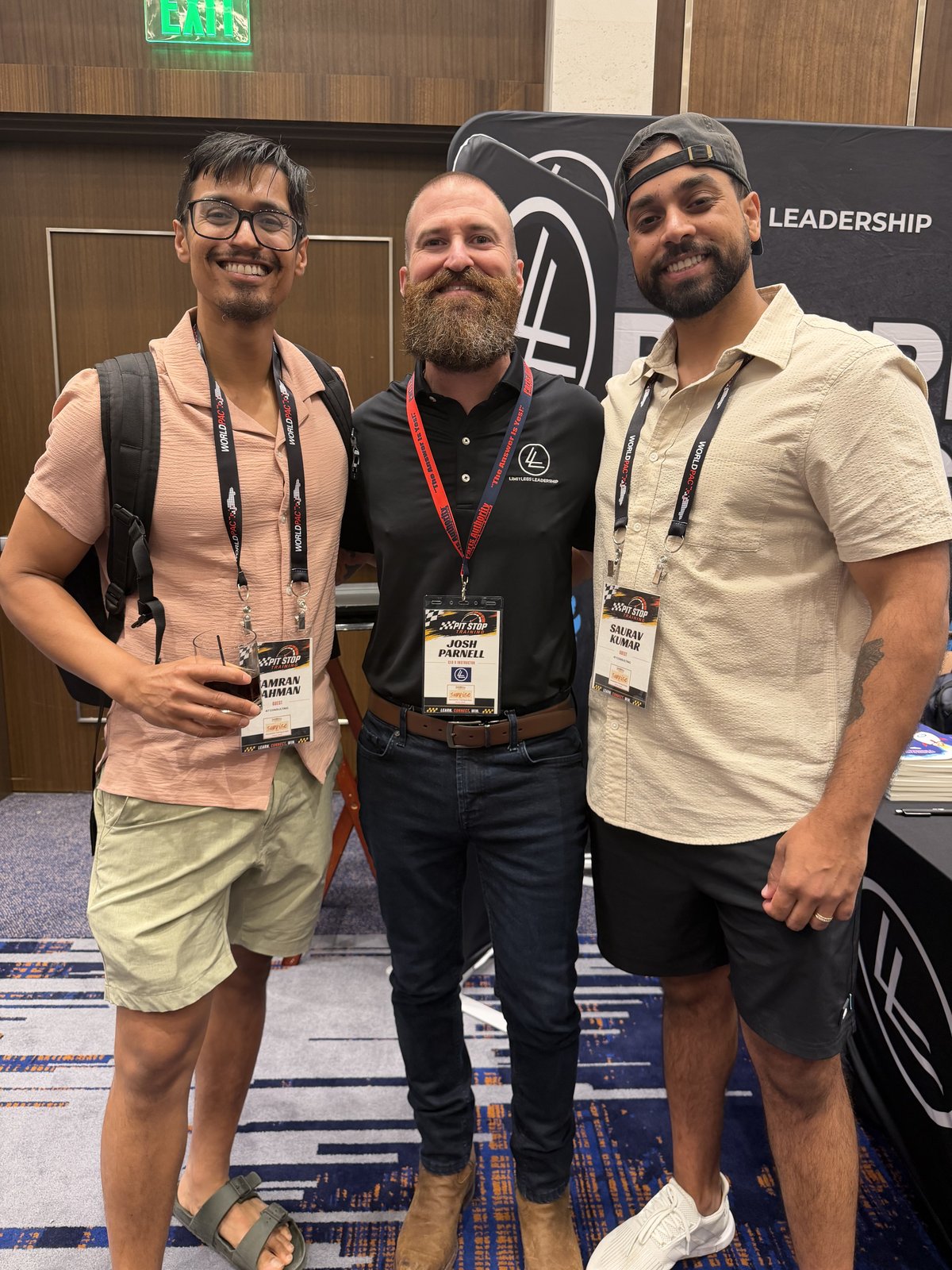
Early in July, we were at a conference in Phoenix. Limitless Leadership had a booth.
You know how conference booths go. Good swag, a crowd, a stack of something that looks interesting. Theirs was a stack of books. We wandered over, picked one up, and started reading the back cover. Then the author, Josh Parnell, walked up and told us to take a copy.
Honestly, we felt a little bad about it. We figured those were reserved for shop owners, the people the book is actually for. He waved that off and told us to take one anyway. So we did, and we finished it on the flight home.
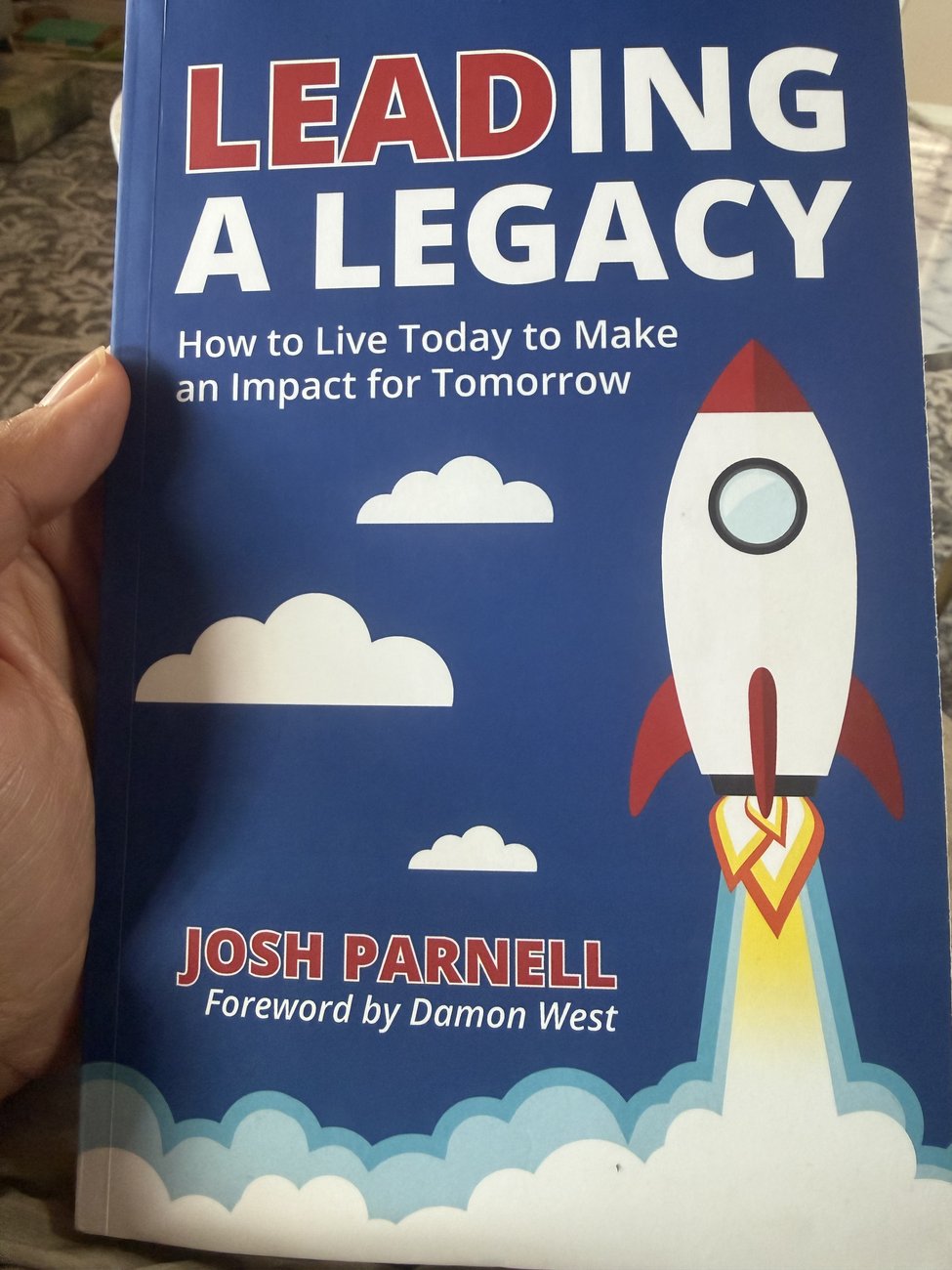
What follows is our perspective on it. A few caveats before we start. These are the things that stood out to us. You might pull something completely different out of it, or land on the same ideas from a different angle, and both are fine. We would also just tell you to read it yourself. It is a little over a hundred pages, big fonts, some genuinely good diagrams, and it goes down easy. We finished it on a two hour plane ride. The subject is leadership, and here is what we carried off the plane with us.
A mission big enough to matter
Limitless tells a story in their trainings that also shows up in the book. In the sixties, John F. Kennedy was visiting NASA and walked up to a janitor and asked him what he did there. The janitor said, “Mr. President, I’m here to put a man on the moon.”
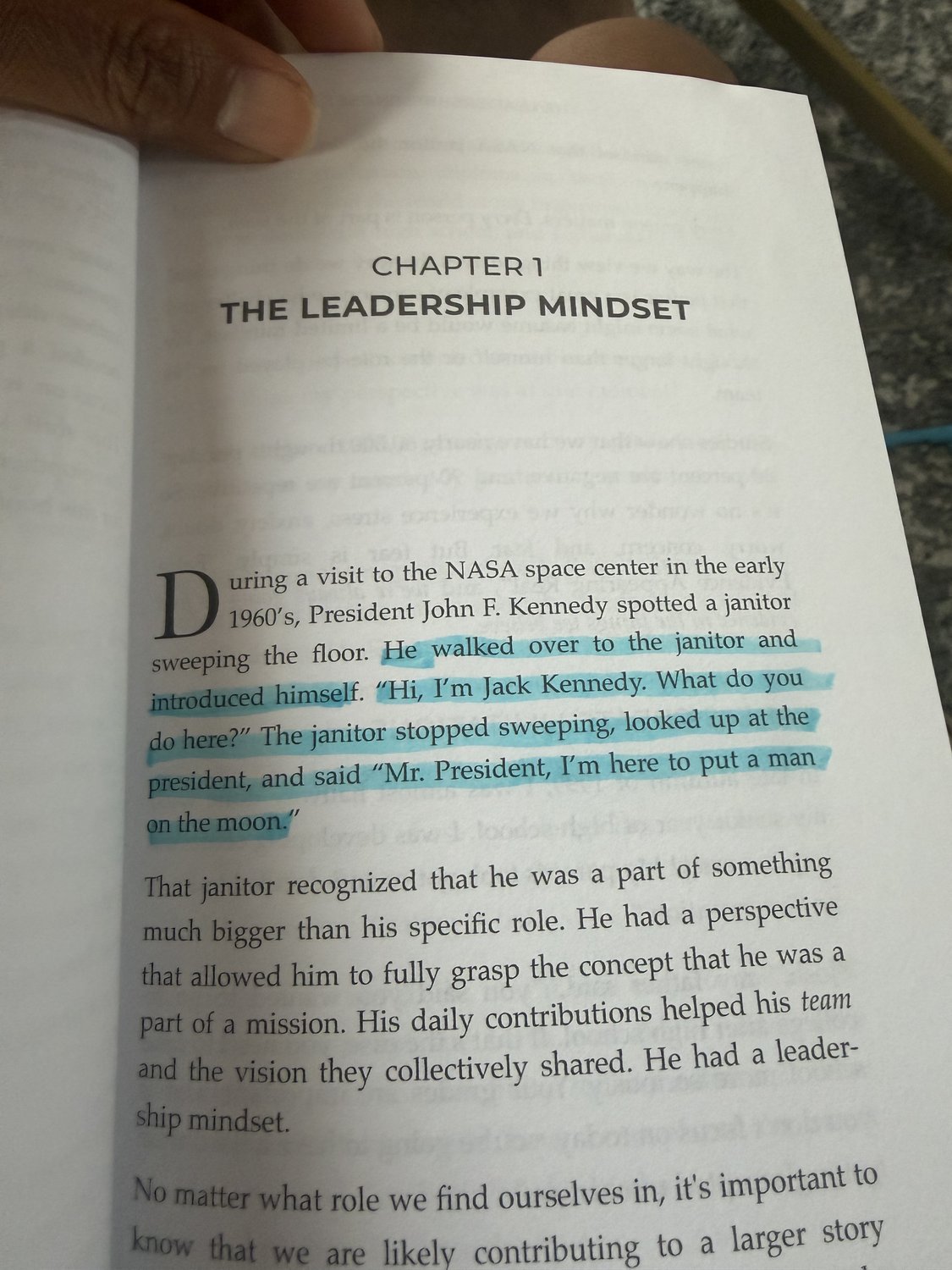
Now, the average shop is not launching a space shuttle, and the average automotive brand is not Elon Musk. That is not the point. The point is what a real mission does to the people carrying it. When the mission is big enough and clear enough, everyone on the team knows their part in it, and that is what drives them. Part of a mission like that is making room for everyone to lead in their own way.
And it starts at the top. If the shop owner does not have the right mindset, there is no way to instill it in the staff. It works its way down from there, or it does not work at all.
Turning your people into change agents
Josh walks through a simple framework, and it stuck with us. Have a perspective. Take that perspective and influence the people around you to see it too. Then use that influence to become a change agent.
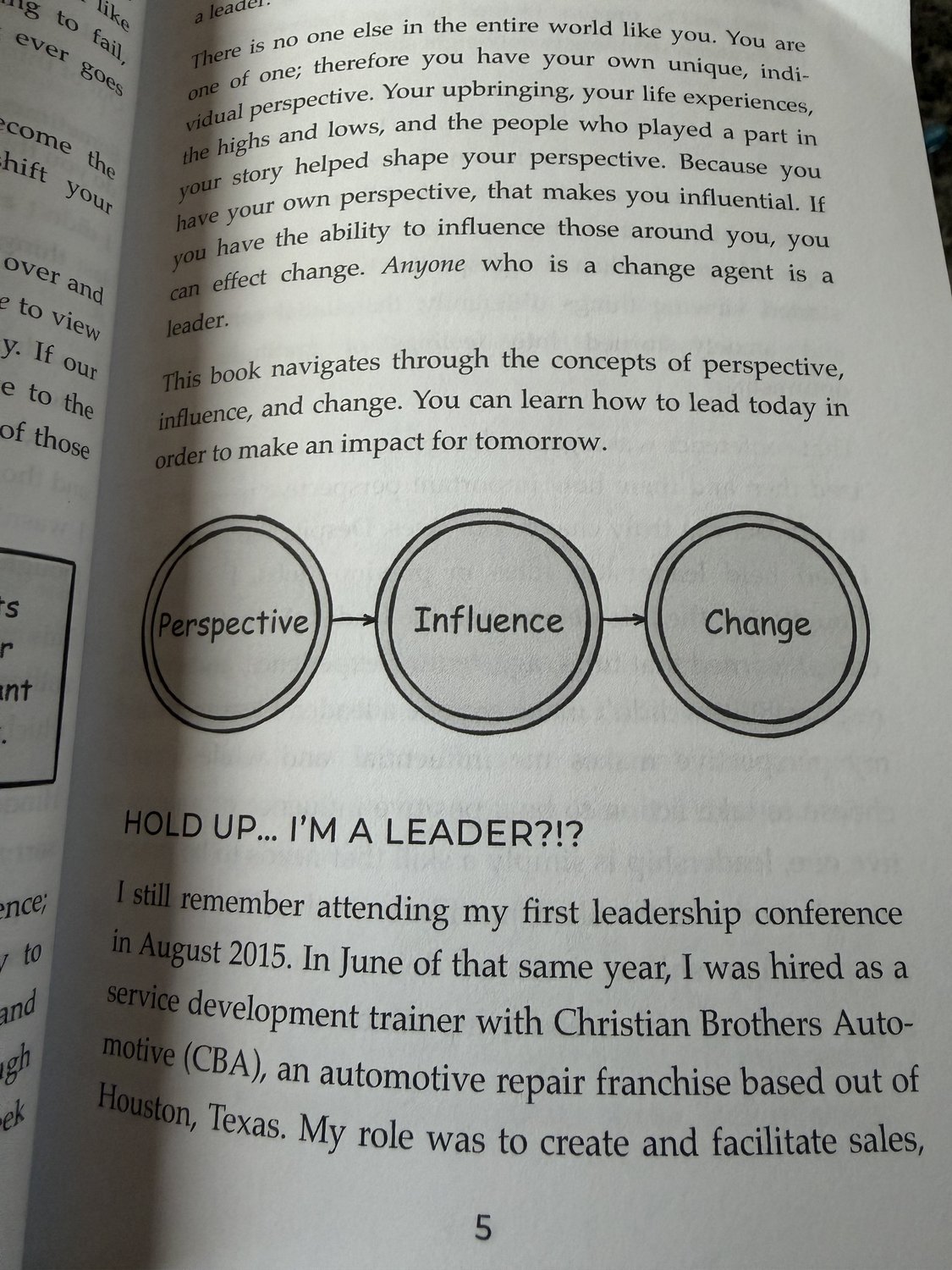
We can all be order takers all day long. That is easy. What actually moves something spectacular forward is the ability to change the things around you. That is impact.
Now imagine everyone in your shop operating that way. It does two things at once. It gets the owner out of mining every detail all day, and it turns your staff into a group of people who can take the company further than you ever could on your own.
It’s always Day One
The next one is the rookie mindset. Always thinking like a rookie. A lot of famous athletes live by it, but the clearest example in business is Jeff Bezos. Now, before you write off the Amazon story as unrelatable, remember that Bezos started it in his garage, with his wife running back-office operations and keeping the books. Sound familiar?
At Amazon they say it is always Day One. They fight on behalf of the customer to exceed expectations and delight them like it is the first day all over again. There is even a building on their campus named Day One. That is how deep it runs.
The rookie mindset keeps you learning and keeps the whole culture curious about how to do better. The warning built into it is just as important. The day it stops being Day One, the day you get comfortable, is the day a shop quietly starts fading into irrelevance.
Connection before content
If you have spent any time around Limitless, you have heard this one. And to be clear, we are not talking about content like posts online. We mean the content of the conversations you have with your people.
For any of it to carry weight, you need connection first. You have to earn the right to influence the people around you. You build that by making whoever is in front of you the most important person in the world for that moment, and figuring out what actually matters most to them. It will not always be work. Once you know what it is, the job is to support it, and to find the alignment between what the shop needs and what that team member wants.
Get that alignment, and the content, those everyday conversations with your team, goes a whole lot further.
How to actually listen
Here is a situation. You are the owner, and you are getting pushback from a manager. The knee jerk reaction is to take offense, or to think, “My GM doesn’t know anything, I know better, I own the place.”
To get anything constructive out of that moment, or really any conversation, the book lays out a three part approach.
First, assume positive intent. Walk in believing the person across from you has everyone’s best interest in mind.
Second, stop thinking and just listen. The trick is to repeat back what they are saying in your own head as they say it, so you actually digest it and confirm you have it right.
Third, pause before you respond. And before you give that response, ask more questions, until your understanding of what they are telling you is at a gut level.
All of it is really just listening. But follow that order and you will listen well, which is rarer than anyone wants to admit.
Be the buffalo
The last stretch is about doing hard things. Hard things take time. Do them consistently and there is a payoff waiting at the end. It can feel like a slog the whole way up, but once you reach the future state you were after, you are glad you put in the work.
That slog is really just intention plus time, and it compounds. The same way saving, investing, building a business, building a system, or building a brand compounds. It all takes time, and it all pays off once the work is done.
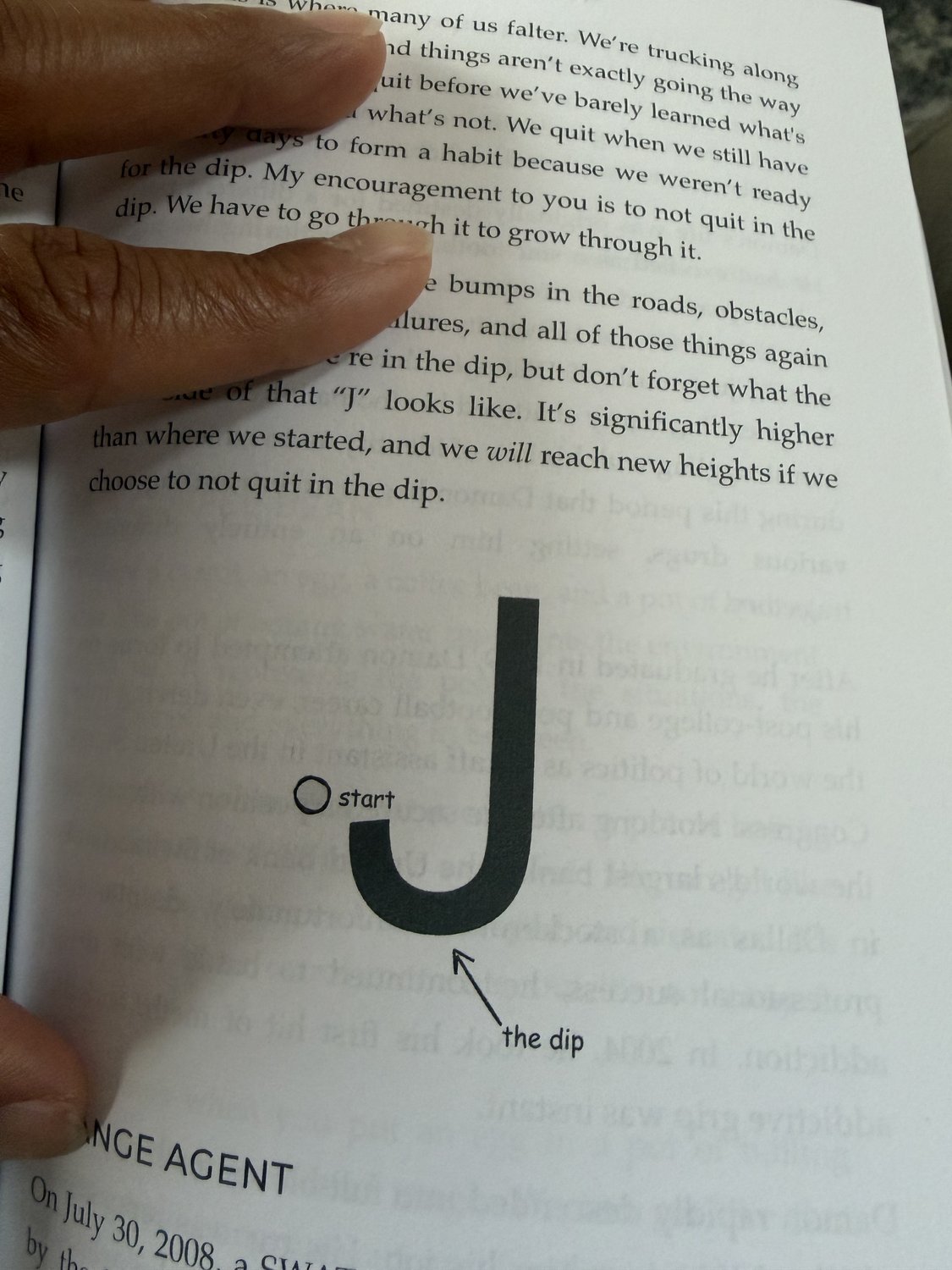
Usually it looks like a J curve. There is the start, then the dip at the bottom, then a steep climb.
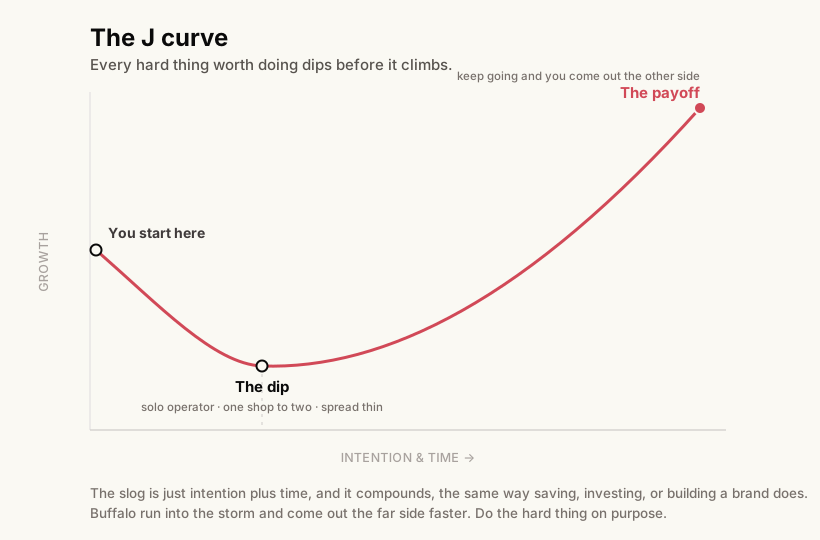
So take a second and think about where you are on that curve. Maybe you are a solo operator, or it is just you and one technician. Maybe you are going from one shop to two. If you feel spread completely thin, you are probably sitting in the dip. Keep going and you will come out the other side.
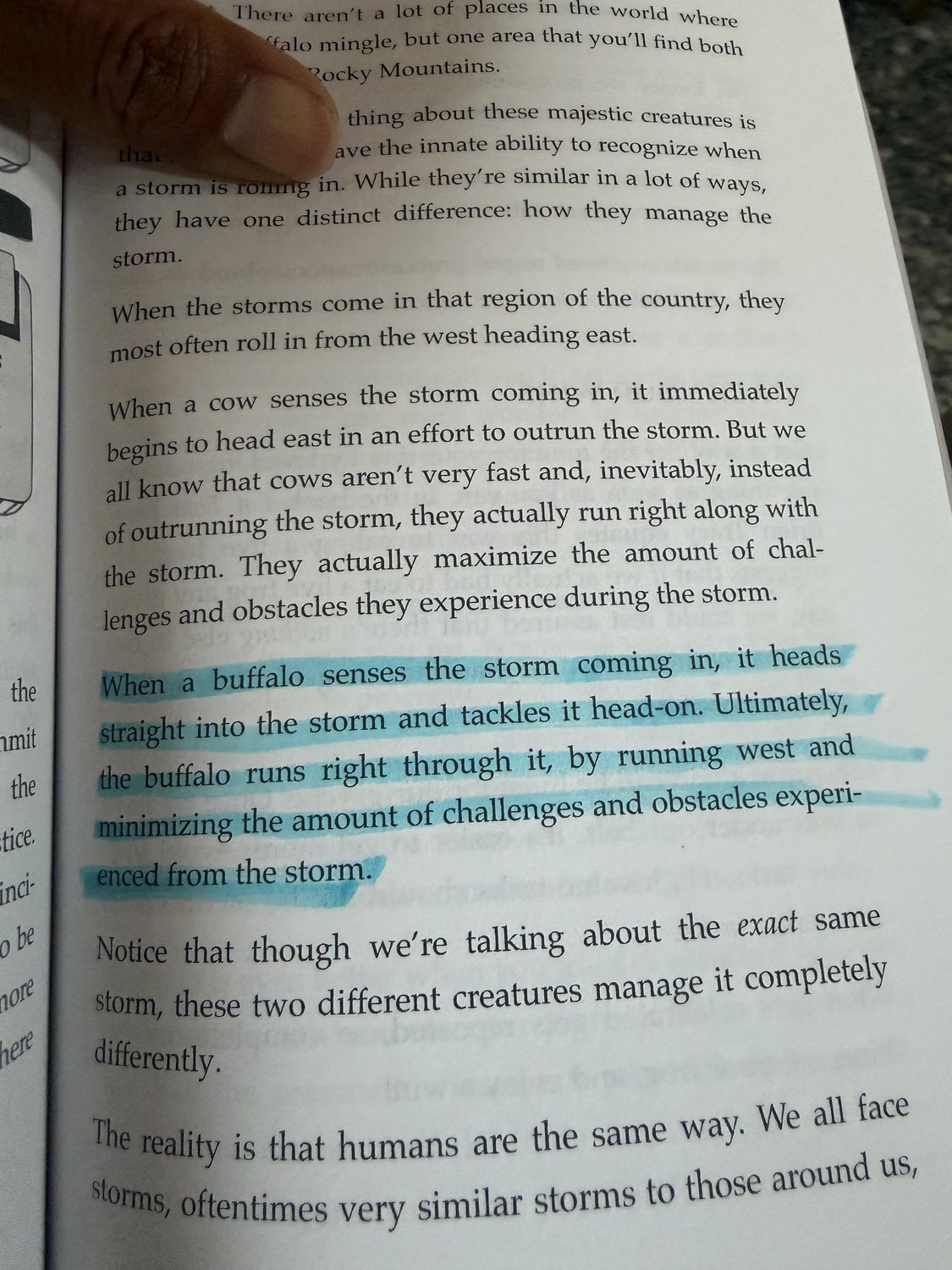
Which brings up the buffalo. In the Midwest you have cows and you have buffalo. When a storm rolls in, cows run away from it, and the storm catches them and drags out for miles. Buffalo turn and run straight into it. Running into the storm is the hard thing, but the buffalo comes out the other side faster, because it went through instead of running alongside it. Do the hard thing on purpose and you spend less time in the storm.
It all comes back to whether you care
When we sat with all of it, every one of these ideas traced back to the same few questions. Do you care about what you are doing? Do you care to have an impact? Do you care to have an impact on the people you employ, and on your community?
If the answer is yes across the board, then the work is to build a vision big enough to hold everyone else’s. What do your employees want for their lives? What do the people in your community want for theirs? Your vision has to be large enough to fit all of those inside it. Then you picture the end result and work backwards from there.
That is what we appreciated about Josh Parnell’s frameworks. They give you a way to think through the long term and the day to day at the same time. Especially the day to day, the minutiae that pulls you into the weeds until you forget why you started the whole thing in the first place.
We finished the book on a two hour plane ride. Hopefully it is just as easy a read for you.